

Search is changing fast. Google’s AI Overviews and the new AI Mode are shaking up how we find information online. Garrett Sussman, an SEO expert, explains how things have evolved—and what brands and marketers should do now. Let’s break it all down in simple terms. From SGE to AI Overviews to AI Mode Back in […]
Tag: Google AI Mode
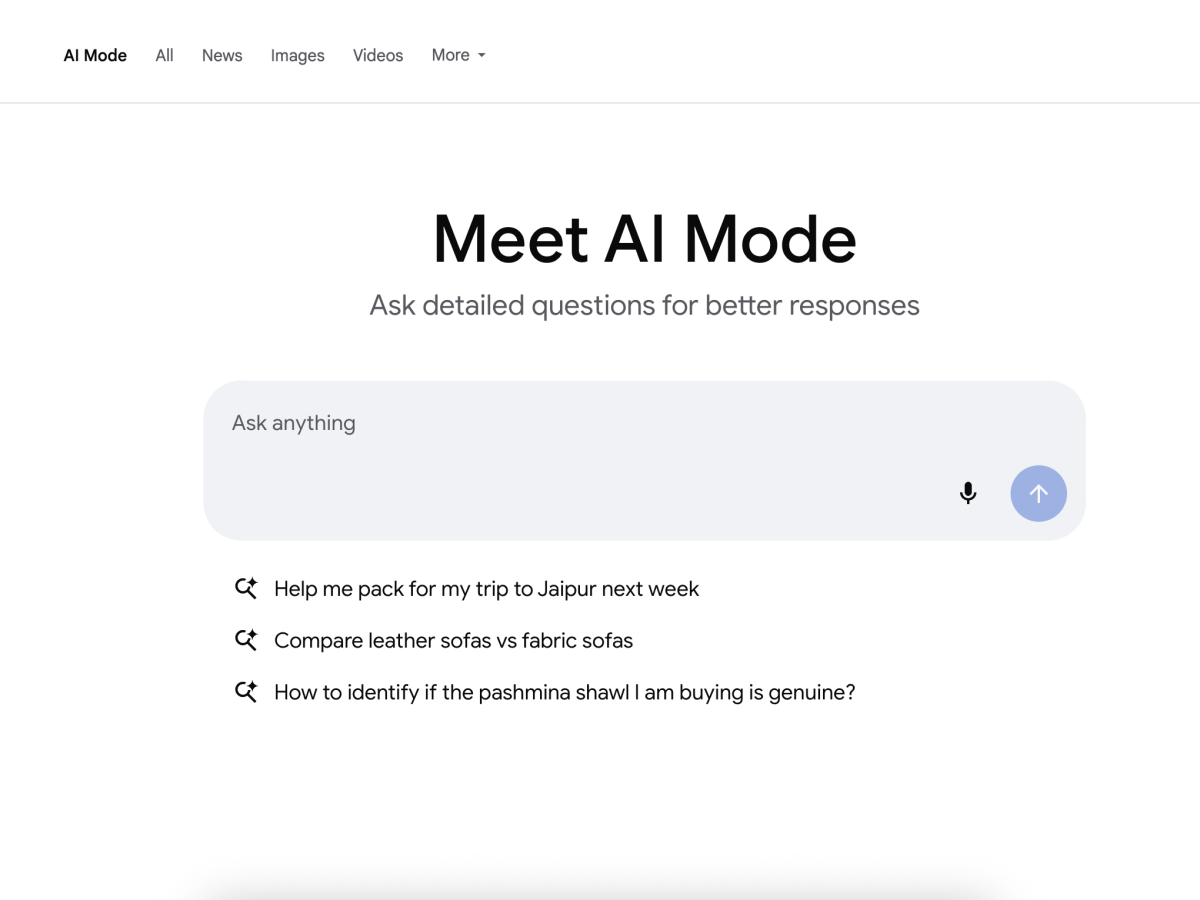
Google AI Mode is not just another search update. It’s a new way to search. It changes how users interact with Google—and how brands show up online. In 2025, SEO professionals must learn how it works and how to adapt.
Google launched AI Mode on May 20, 2025, during the Google I/O event. It’s now live for users in the United States. You can access it through Search Labs or a Google One AI Premium plan. This mode runs on Gemini 2.5, Google’s most advanced AI model. The goal is to make search more helpful, conversational, and action-ready.
AI Mode is powered by two major ideas: query fan-out and Gemini 2.5. Instead of just looking at your one question, Google now breaks it into many smaller questions. It then runs many searches at once. These could include follow-up questions, related topics, or future queries you might ask. Then, Google’s AI brings all those answers together into one detailed result.
Gemini 2.5 comes in two versions. Gemini 2.5 Flash is fast and good for quick searches. Gemini 2.5 Pro handles deep thinking, math, reasoning, and long contexts. These models understand text, images, voice, and video. This makes search more flexible and powerful.
AI Mode turns search into a smart assistant. You can ask questions and follow up. You can search with pictures, try on products virtually, and even shop without leaving Google. In the future, you may also book tickets, fill forms, or use live video to search. These tasks will be handled inside Google Search using tools like Project Mariner.
AI Mode changes how people find and choose information. Instead of clicking many links, users often get answers directly. That means fewer clicks to websites, more AI-generated answers, and less control over rankings. Still, SEO is not dead. It’s just evolving.
If you want your content to show up in AI Mode, cover topics deeply. Since AI Mode uses query fan-out, your content should answer related questions too. Create pages that go beyond surface-level answers. Add schema markup to help Google understand your content. Use structured data like Article, Product, FAQ, and Review. This makes your content easier for AI to find and use.
Use clear images, alt text, and labeled photos to support visual search. If you run an e-commerce site, use product schema, keep feeds updated, and add stock, price, and shipping info. Start tracking if your brand appears in AI Overviews, AI Mode results, and chatbots like Gemini, Perplexity, and ChatGPT. These are new ways people find answers.
Content that feels trustworthy and helpful will win. Just like Coca-Cola wins through emotion and memory, your brand should create content that sticks with people.
Local AI Overviews are still not great. They often show errors or outdated info. So stick to the basics: keep your Google Business Profile accurate, add complete info like address and hours, get more Google reviews, and keep details up to date across directories.
At Google I/O, we saw how AI Mode will handle shopping. It will show carousels with product options, virtual try-ons, and let people shop right from the search page. Google wants users to shop inside search. Brands that optimize for this will benefit the most.
Google is building toward a full assistant-like search engine. Soon, AI Mode may book flights or hotels, answer Gmail-based questions, search videos, and interact with mobile apps and smart glasses. Search will keep evolving, fast.
Google AI Mode is changing the rules. It’s not just about links anymore. It’s about answers, trust, structured content, and AI-friendly data. To succeed in 2025, your site must be useful for both users and machines. Get ready now. Update your content. Add schema. Focus on trust. The AI search era has already begun.